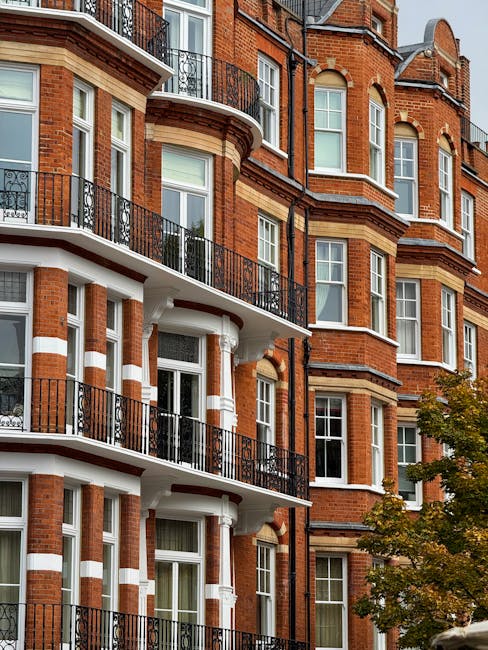
Earl Court Furniture Removals and Access Advice: A Practical Guide for Smoother Moving Days
If you are planning a move in Earl Court, the furniture itself is only half the story. The other half is access: narrow stairwells, tight turns, basement steps, parking restrictions, awkward lifts, and the simple reality that London streets can make even a small move feel a bit more complicated than expected. That is why Earl Court furniture removals and access advice matters so much. A well-planned move saves time, reduces breakages, and makes the whole day feel calmer. And, truth be told, calmer is worth a lot on moving day.
In this guide, you will find practical advice on how furniture removals work in Earl Court, what access issues to look for before booking, how to prepare your home, and what to ask a removal team so nothing catches you off guard. We will also cover common mistakes, useful tools, and the kind of real-world details that often get overlooked until a sofa is stuck halfway through a doorway. Not ideal.
Why Earl Court furniture removals and access advice Matters
Earl Court sits in a part of London where access can change from one street to the next. One building has a service lift; the next has a narrow communal staircase and a front entrance that barely swings open wide enough for a mattress. This is exactly why access advice is not a nice extra. It is part of the move itself.
Furniture removals are rarely difficult because of the furniture alone. The real challenge is often the route. Can the van stop nearby? Is there a loading bay? Are there garden railings, low ceilings, or a sharp corner in the hallway? Can the sofa be turned once it is inside the building? These are the practical questions that decide whether the move feels smooth or slightly chaotic.
For local moves in Kensington and nearby areas, people often start by looking at broader services such as furniture removals in Kensington or the wider removals in Kensington service. That is usually the right place to begin, especially if your move involves more than just one bulky item.
Access planning also protects the furniture itself. Scratched walls, bent legs, chipped tables, and strained backs are the kind of problems nobody wants to discover at the end of the day. A little preparation goes a long way, and it keeps everyone from doing that awkward "can it fit if we just angle it a bit?" dance in the hallway. You know the one.
How Earl Court furniture removals and access advice Works
A good furniture removal starts before the van arrives. First, the mover or customer gathers access details. That usually includes floor level, lift size, parking availability, entry codes, and any awkward features such as tight staircases or restrictions on waiting outside. From there, the team can decide how many people are needed, what size vehicle suits the job, and whether any special lifting gear or extra padding is sensible.
In a simple ground-floor move, furniture can often be carried out quickly with standard dollies, blankets, and straps. In a flat with limited access, the process changes. Larger items may need to be dismantled, protected more carefully, or moved in a certain order so the widest objects go first while the space is still clear. Sometimes the route through the building matters more than the item size itself.
If you are organising a move and want to understand the wider service options, the services overview is a helpful starting point. For smaller, more flexible jobs, many people also compare a man with van in Kensington with a fuller removal team. Both can work well. It depends on access, distance, and how much needs handling.
Timing matters too. In London, access can be affected by school runs, busy delivery windows, resident parking, and street congestion. A move that starts at the wrong time of day can feel twice as long. That is why a scheduled slot with sensible timing often beats a rushed "we'll fit it in somehow" approach.
Key Benefits and Practical Advantages
Good access advice is not just about avoiding drama. It delivers real benefits that make the move easier and safer from the very beginning.
- Faster loading and unloading: Knowing the access route means fewer pauses and fewer surprises.
- Lower risk of damage: Walls, banisters, doors, and furniture all stay safer when the path is planned.
- Better vehicle choice: Some streets are better served by a compact removal van in Kensington rather than a larger lorry.
- Less physical strain: Carrying a wardrobe up three flights is tiring enough without extra twists and turns.
- More accurate quotes: Clear access information helps avoid underestimating the time or manpower needed.
There is also a confidence benefit, which sounds soft but matters a lot. When you know the route, the lift dimensions, and the loading point, the move feels controllable. You are not standing in the doorway wondering whether the bookcase will have to be sacrificed to the London gods. Which, to be fair, is not a feeling anyone enjoys.
For people moving between flats, especially in older mansion blocks or converted buildings, access advice can be the difference between a straightforward lift-and-carry job and a job that needs careful dismantling. If your move is part of a larger relocation, pages like flat removals in Kensington and house removals in Kensington can help you compare what is involved.
Who This Is For and When It Makes Sense
This guidance is useful for almost anyone moving furniture in Earl Court, but it is especially important if your property has limited access, older architecture, or shared building rules.
You will probably benefit most if you are:
- moving a sofa, wardrobe, bed frame, dining table, or piano
- living in a basement flat, top-floor flat, or maisonette
- working with a building where lifts are small or unreliable
- moving in or out during a restricted parking period
- organising a same-day or short-notice relocation
- downsizing and need careful handling of large items
Students and renters often underestimate access problems because they are focused on speed and budget. Fair enough. But a cheap move becomes less cheap if the team has to wait for parking, carry items an extra distance, or spend ages dismantling furniture that should have been measured in advance. If that sounds familiar, a student removals Kensington service may be more appropriate than booking the smallest van available and hoping for the best.
Access advice also makes sense for anyone using local storage, receiving a new furniture delivery, or moving items between properties. In those cases, a coordinated approach can save a lot of backtracking. If storage is part of the picture, take a look at storage in Kensington as well.
Step-by-Step Guidance
Here is a practical way to plan furniture removals in Earl Court without making the process harder than it needs to be.
- List every item to be moved. Include large furniture, mirrors, lamps, office chairs, and anything fragile or awkward. A quick room-by-room sweep works well.
- Check the access route. Measure doorways, stair widths, corridor bends, lift dimensions, and ceiling height where possible.
- Confirm parking and stopping space. Think about where the van can actually pause. A great plan on paper is still useless if the vehicle cannot park close enough.
- Decide whether furniture should be dismantled. Beds, tables, and shelving often move better in sections. Keep screws and fittings in labelled bags.
- Protect surfaces and corners. Door frames, banisters, and walls can be wrapped or padded before the move begins.
- Pack smaller items separately. Use sturdy boxes and avoid leaving loose contents inside drawers or cupboards.
- Share access details with the removal team early. The more specific you are, the better the plan will be.
- Keep key items easy to reach. Kettle, chargers, documents, medication, and a change of clothes should stay with you.
- Walk the route on the day. A five-minute check before lifting starts can prevent a lot of friction later.
A small tip, but a useful one: if you think an item might be tight, assume it is tight. People tend to be optimistic about furniture dimensions right up until the sofa meets the stairwell and everyone goes quiet for a moment.
For packing support, the guide on packing and boxes in Kensington is a sensible companion read, especially if you are trying to keep the move organised rather than frantic.
Expert Tips for Better Results
After enough moves, certain patterns become obvious. The jobs that go best are usually the ones where the access questions were asked early, not on moving morning with half the crew already waiting at the front door.
Measure the awkward stuff first. Sofas, wardrobes, headboards, and fridge-freezers are the items most likely to cause trouble. If one of those is borderline, measure before anything else.
Check the turn, not just the opening. A doorway can be wide enough, but the corridor beyond it may make the item impossible to angle through. This is one of those details people only notice when they are already carrying the item.
Share building rules in advance. Some blocks require booked lift access, protective floor coverings, or limited moving hours. It is better to know early than to have a conversation at reception while holding a mattress upright.
Keep a "do not move yet" zone. If one room needs to stay clear until the end, mark it mentally or physically. Otherwise, things get muddled fast.
Plan for weather. Rain changes everything in London. Wet steps, slippery pavements, and cardboard that softens quicker than expected. A bit of extra wrapping helps.
And one more, because it saves arguments: if there is any doubt about a piece of furniture, photograph it before dismantling and keep the hardware together. Future-you will be grateful. Very grateful.
If you want a broader sense of local service support, the removal services Kensington page gives a useful overview of what can be arranged around a move.
Common Mistakes to Avoid
Most access problems are avoidable. They usually happen because one detail gets left out, or because someone assumes a London building will behave like a suburban house with a generous driveway. It will not.
- Not measuring the furniture properly. Guessing is risky. Tape measures exist for a reason.
- Forgetting to mention stairs or basements. A single step can matter if the item is heavy and awkward.
- Ignoring parking restrictions. If the van has to park too far away, time and effort increase quickly.
- Leaving dismantling until the last minute. Rushed disassembly often leads to missing screws and damaged fittings.
- Overpacking drawers and cupboards. It makes furniture heavier and harder to carry safely.
- Assuming a lift will be usable. Lifts can be too small, booked out, or temporarily out of service.
- Not protecting corners and walls. One scrape can create unnecessary repair stress.
A small but common mistake is booking the wrong kind of service. A single item move and a full household relocation are not the same thing, and the access plan should match the job. If you are comparing local options, a man and van Kensington service can suit simpler moves, while more complex access scenarios may need a fuller team.
Tools, Resources and Recommendations
You do not need a van full of specialist kit to move furniture well, but a few practical tools make the process cleaner and safer.
- Measuring tape: for doors, stairways, hallways, and furniture dimensions.
- Furniture blankets: useful for protecting polished or delicate surfaces.
- Ratchet straps or tie-downs: help secure items in transit.
- Dolly or sack truck: useful for heavier loads where the route allows it.
- Bubble wrap and stretch wrap: good for mirrors, drawers, and fragile edges.
- Labelled bags for screws and fittings: a small habit that prevents a lot of faff later.
It is also worth using the support pages on the site when you want to understand how a move is handled end to end. The package your items and wait for us to come guidance is especially useful if you prefer a simpler handover process, while delivery at the best time for you helps if timing is the biggest concern.
If you are still unsure about the scope of your job, the best next step is usually to request a quote with access notes included. That gives a much clearer picture than a vague estimate. For direct enquiries, use the contact page.
Law, Compliance, Standards, or Best Practice
Furniture removals in Earl Court are usually straightforward from a legal point of view, but there are still practical rules and best practices worth respecting. In London, parking, loading, and vehicle access can be affected by local restrictions, private estate rules, and building policies. These vary, so it is sensible to check in advance rather than assume.
If a move involves public pavement space, loading restrictions, or shared access areas, the safest approach is to confirm the relevant rules with the building manager, landlord, or local authority where needed. Removal teams should also work in line with basic health and safety practice: safe lifting, clear walkways, secure loading, and appropriate protection for both people and property.
Insurance matters too. Even careful movers can face the occasional knock, especially in older buildings with tight corners. A trustworthy service should be able to explain how items are handled and what precautions are taken. You can read more in the insurance and safety information and the health and safety policy.
If accessibility is part of your concern, it is also sensible to review the accessibility statement. Not every moving situation is the same, and good providers should be clear about how they support different needs. That's just decent practice, really.
Options, Methods, or Comparison Table
Different moves need different approaches. The best option depends on access, volume, timing, and how much help you want on the day.
| Option | Best for | Access considerations | Typical advantage |
|---|---|---|---|
| Man and van | Smaller furniture moves, short local jobs | Good when parking is manageable and items are not overly bulky | Flexible and efficient |
| Furniture removal team | Heavier or more fragile items, multiple pieces | Better when stairs, lifts, or tight corridors need more care | More handling support |
| Full house removal | Complete property moves | Useful where access planning affects several rooms and loads | Most comprehensive |
| Same-day removals | Urgent or last-minute situations | Best when access details are simple and clearly confirmed | Speed and convenience |
For a quick local move with one or two large items, a small team can often be enough. For a flat with a narrow staircase and a bulky wardrobe, extra hands suddenly make a lot of sense. If your timing is tight, the same-day removals Kensington page is worth a look.
Many people also compare moving support with the type of property they are leaving. For example, if you are moving out of a top-floor flat near the Earl's Court area, a guide such as South Kensington house removals guide SW7 can help you think through similar local access issues, even if your exact property is different.
Case Study or Real-World Example
Here is a simple real-world style example. A customer in Earl Court needed to move a dining table, six chairs, a bed frame, and two bookcases from a second-floor flat. The first glance suggested it would be easy enough. But the staircase had one sharp turn, the lift was too small for the table, and the hallway outside the flat was narrow. Classic London behaviour, really.
Instead of forcing everything to go the same way, the move was broken down into stages. The table was dismantled, the bookcases were emptied, and the route was padded before lifting started. The van parked as close as practical, and the heavier items were moved first while the corridor was clear. Nothing dramatic happened, which is exactly what you want from a move.
The interesting lesson was not about strength. It was about sequencing. The items were not difficult on their own, but the access route shaped the whole plan. That is the lesson Earl Court movers should keep in mind: route first, furniture second.
If the move also involves property transitions, local area knowledge can help too. Articles like Kensington real estate: a wise buyer's guide and living in Kensington local residents advice give useful context for understanding the area and its housing patterns.
Practical Checklist
Use this checklist before moving day. It keeps things simple and helps you spot the gaps early.
- Measure every large item that needs moving
- Check doorway widths, stair turns, and lift dimensions
- Confirm where the van can park or load
- Ask whether there are building rules or booking windows
- Decide what should be dismantled before the move
- Pack screws, bolts, and small fittings in labelled bags
- Wrap fragile furniture and protect corners
- Keep essentials separate from the main load
- Share any access issues with the removal team early
- Allow extra time if the property has stairs, tight corridors, or restricted parking
Expert summary: In Earl Court, the best furniture move is usually the one planned around access first. If the route is clear, the furniture is easier. If the furniture is measured properly, the route is easier. Simple idea, but it saves a lot of trouble.
Conclusion
Earl Court furniture removals and access advice is really about making the practical side of moving feel manageable. Once you know the route, the restrictions, the item sizes, and the support you need, the whole process becomes far less stressful. That is the real win. Not perfection. Just a move that feels controlled, respectful of your belongings, and efficient enough to let you get on with your day.
Whether you are moving one bulky piece, clearing a flat, or planning a larger relocation, the smartest next step is to gather access details early and speak to a team that understands local conditions. That tiny bit of preparation can save you hours of hassle later.
Get a free quote today and see how much you can save.
And if you are still at the planning stage, take it one step at a time. Good moving days are built quietly, with tape measures, clear notes, and a little patience.
Frequently Asked Questions
What does furniture removals and access advice actually cover?
It covers the practical details that affect how furniture is moved safely: parking, stairs, lifts, doorway widths, turning space, building rules, and any special handling needed for bulky or fragile items.
Why is access advice so important in Earl Court?
Because many London properties have limited parking, narrow halls, older staircases, or small lifts. Good access advice helps avoid delays, damage, and last-minute surprises on moving day.
How do I know if my sofa or wardrobe will fit through the property?
Measure the item first, then measure the route: doorframes, corridors, stair turns, and lift entrances. If the measurements are borderline, dismantling the item is often the safer option.
Should I book a man and van or a full removal service?
It depends on how much you are moving and how tricky the access is. A smaller job may suit a man and van, while multiple large items or difficult stairs may need a fuller removal team.
What access details should I tell the removal team?
Tell them about floor level, lift size, stairs, parking options, loading restrictions, entry codes, and any awkward corners or narrow hallways. The more specific you are, the better.
Can furniture be moved safely from a flat with no lift?
Yes, often it can. It just needs proper planning, enough manpower, and realistic timing. Some items may need to be dismantled first, especially if the staircase is tight.
How far in advance should I arrange furniture removals?
As early as you can, especially if you have parking issues, building access restrictions, or a particular time window. For urgent situations, same-day help may still be possible, but access details matter even more.
What happens if the van cannot park right outside the building?
The team may need to carry items a longer distance, which can affect time and effort. That is why parking and loading access should be checked before the move, not afterwards.
Do I need to dismantle my furniture before the movers arrive?
Not always, but it often helps. Beds, shelving, and large tables are commonly easier to move in parts. If you are unsure, ask the removal team which items should come apart first.
Are there special safety issues with moving furniture in older buildings?
Yes. Older buildings often have tighter stairs, lower ceilings, and more fragile walls or banisters. Extra care with padding, lifting technique, and route planning is usually needed.
What if I only need to move one or two items?
That is common. A smaller service can work well, especially if the access is simple. If the items are large or awkward, make sure the team knows that before quoting.
How can I make the move less stressful on the day?
Pack early, label things clearly, keep access routes free, and share all useful details with the movers in advance. A calm moving day usually starts with a calm preparation day.